
-

AFRICAN KOBE CUBENSIS
PSILOCYBE
Potency Levels

MO
Potency Levels
- MILD < 0.25%
- MODERATE 0.25% - 0.75%
- HIGH > 0.75% - 2%
- EXTREMELY HIGH > 2%
MO
Learn More -
MARTINIQUE CUBENSIS
PSILOCYBE
Potency Levels
M
Potency Levels
- MILD < 0.25%
- MODERATE 0.25% - 0.75%
- HIGH > 0.75% - 2%
- EXTREMELY HIGH > 2%
M
Learn More -
TEXAS PENIS ENVY
HybridsPSILOCYBE
Potency Levels
EH
Potency Levels
- MILD < 0.25%
- MODERATE 0.25% - 0.75%
- HIGH > 0.75% - 2%
- EXTREMELY HIGH > 2%
EH
Learn More -
MALABAR COAST CUBENSIS
PSILOCYBE
Potency Levels
MO
Potency Levels
- MILD < 0.25%
- MODERATE 0.25% - 0.75%
- HIGH > 0.75% - 2%
- EXTREMELY HIGH > 2%
MO
Learn More -
LIZARD KING CUBENSIS
HybridsPSILOCYBE
Potency Levels
MO
Potency Levels
- MILD < 0.25%
- MODERATE 0.25% - 0.75%
- HIGH > 0.75% - 2%
- EXTREMELY HIGH > 2%
MO
Learn More -
THAI ELEPHANT DUNG STRAIN
PSILOCYBE
Potency Levels
MO
Potency Levels
- MILD < 0.25%
- MODERATE 0.25% - 0.75%
- HIGH > 0.75% - 2%
- EXTREMELY HIGH > 2%
MO
Learn More -
ECUADOR STRAIN
PSILOCYBE
Potency Levels
MO
Potency Levels
- MILD < 0.25%
- MODERATE 0.25% - 0.75%
- HIGH > 0.75% - 2%
- EXTREMELY HIGH > 2%
MO
Learn More -
ESCONDIDO PSILOCYBE CUBENSIS
PSILOCYBE
Potency Levels
MO
Potency Levels
- MILD < 0.25%
- MODERATE 0.25% - 0.75%
- HIGH > 0.75% - 2%
- EXTREMELY HIGH > 2%
MO
Learn More -
BRAZIL STRAIN
PSILOCYBE
Potency Levels
MO
Potency Levels
- MILD < 0.25%
- MODERATE 0.25% - 0.75%
- HIGH > 0.75% - 2%
- EXTREMELY HIGH > 2%
MO
Learn More -
ALBINO PENIS ENVY “APE”
HybridsPSILOCYBE
Potency Levels
EH
Potency Levels
- MILD < 0.25%
- MODERATE 0.25% - 0.75%
- HIGH > 0.75% - 2%
- EXTREMELY HIGH > 2%
EH
Learn More -
PENIS ENVY STRAIN
HybridsPSILOCYBE
Potency Levels
EH
Potency Levels
- MILD < 0.25%
- MODERATE 0.25% - 0.75%
- HIGH > 0.75% - 2%
- EXTREMELY HIGH > 2%
EH
Learn More -
AMAZON STRAIN
HybridsPSILOCYBE
Potency Levels
EH
Potency Levels
- MILD < 0.25%
- MODERATE 0.25% - 0.75%
- HIGH > 0.75% - 2%
- EXTREMELY HIGH > 2%
EH
Learn More -

B+ STRAIN
HybridsPSILOCYBE
Potency Levels
MO
Potency Levels
- MILD < 0.25%
- MODERATE 0.25% - 0.75%
- HIGH > 0.75% - 2%
- EXTREMELY HIGH > 2%
MO
Learn More -
PANAEOLUS CYANESCENS “BLUE MEANIE”
PANAEOLUS-COPELANDIA
Potency Levels
HI
Potency Levels
- MILD < 0.25%
- MODERATE 0.25% - 0.75%
- HIGH > 0.75% - 2%
- EXTREMELY HIGH > 2%
HI
Learn More -

GOLDEN TEACHER
PSILOCYBE
Potency Levels
MO
Potency Levels
- MILD < 0.25%
- MODERATE 0.25% - 0.75%
- HIGH > 0.75% - 2%
- EXTREMELY HIGH > 2%
MO
Learn More






Microdosing

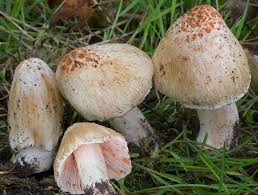
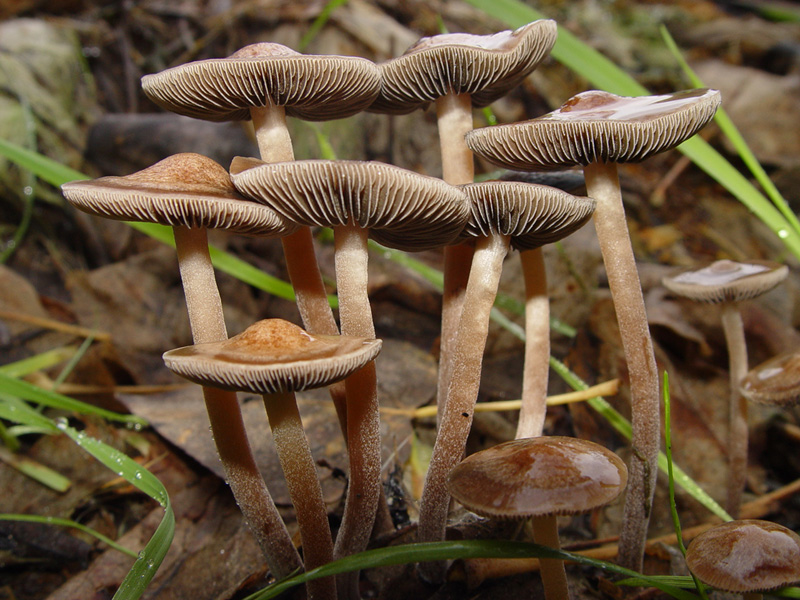
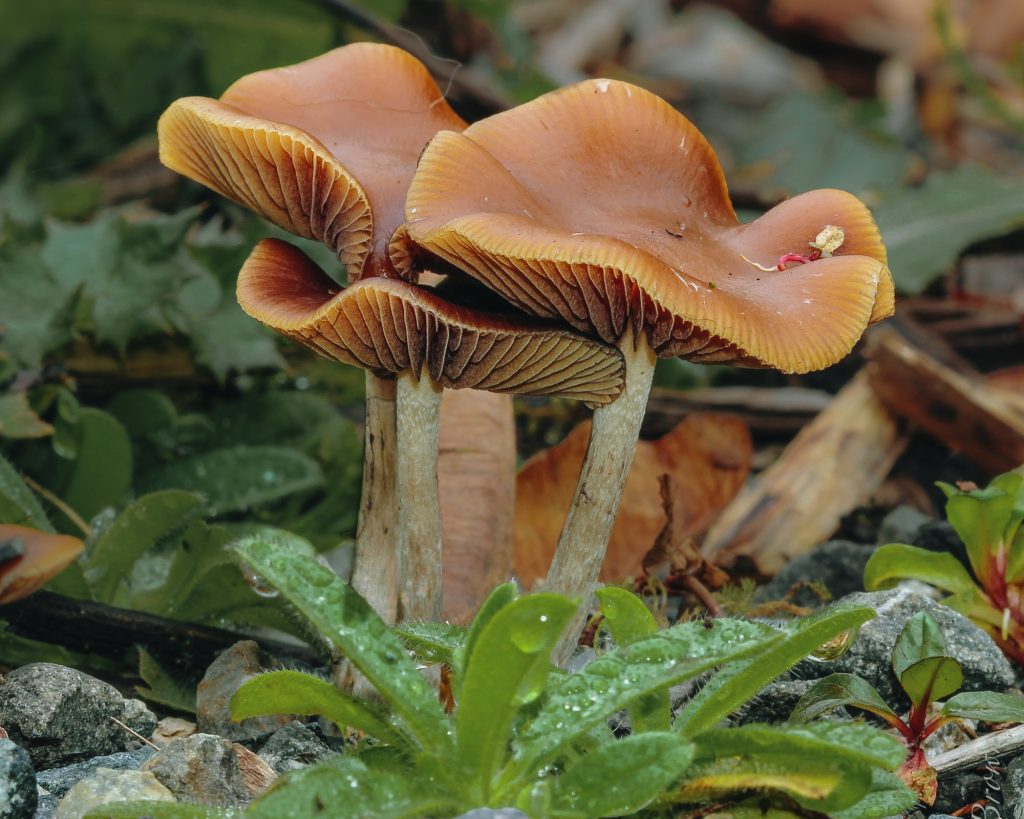
Recently Added Strains
-

PSILOCYBE EUCALYPTA
PSILOCYBE
Potency Levels
MO
Potency Levels
- MILD < 0.25%
- MODERATE 0.25% - 0.75%
- HIGH > 0.75% - 2%
- EXTREMELY HIGH > 2%
MO
Learn More -
PSILOCYBE EUCALYPTA
PSILOCYBE
Learn More -
TRICOLOR ECUADORIAN STRAIN
PSILOCYBE
Potency Levels
HI
Potency Levels
- MILD < 0.25%
- MODERATE 0.25% - 0.75%
- HIGH > 0.75% - 2%
- EXTREMELY HIGH > 2%
HI
Learn More -
ALBINO TREASURE COAST
HybridsPSILOCYBE
Potency Levels
HI
Potency Levels
- MILD < 0.25%
- MODERATE 0.25% - 0.75%
- HIGH > 0.75% - 2%
- EXTREMELY HIGH > 2%
HI
Learn More -
SOUTH AMERICAN CUBENSIS
PSILOCYBE
Potency Levels
MO
Potency Levels
- MILD < 0.25%
- MODERATE 0.25% - 0.75%
- HIGH > 0.75% - 2%
- EXTREMELY HIGH > 2%
MO
Learn More -
WOLLONGONG CUBENSIS
PSILOCYBE
Potency Levels
HI
Potency Levels
- MILD < 0.25%
- MODERATE 0.25% - 0.75%
- HIGH > 0.75% - 2%
- EXTREMELY HIGH > 2%
HI
Learn More
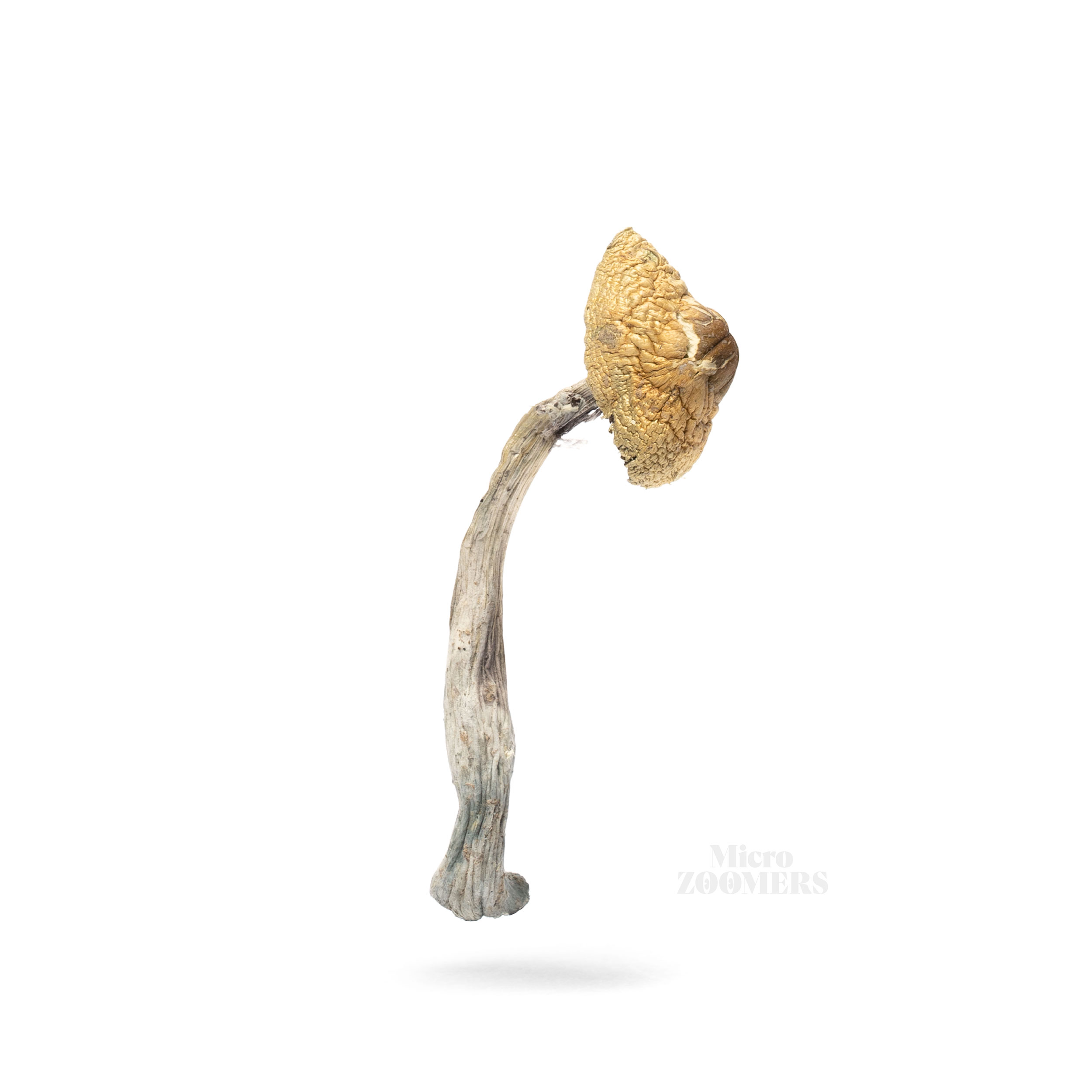
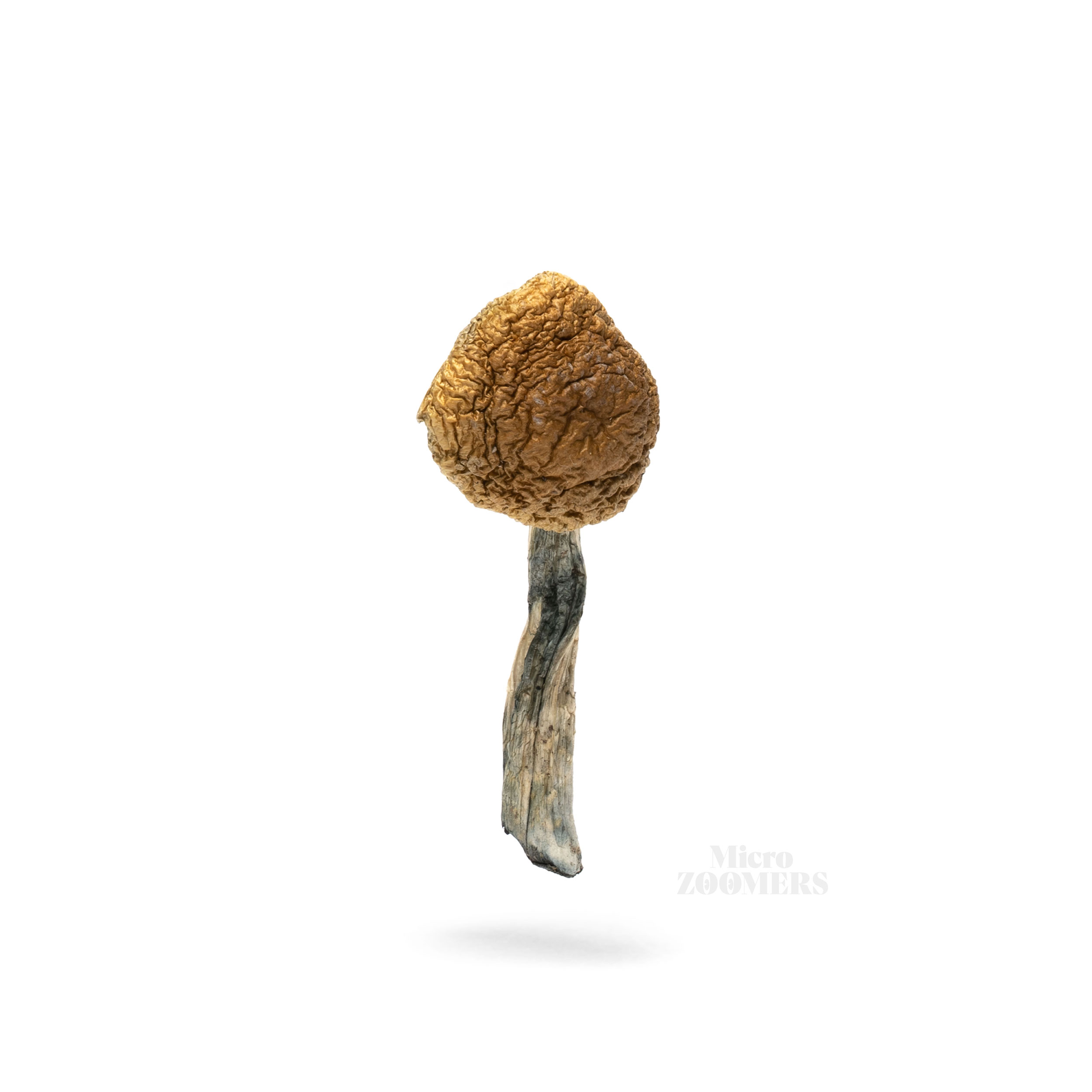
Welcome to Microzoomers, an educative platform on magic mushrooms of the world aka psilocybian fungi.
Commonly known as the Little Brown Mushrooms, the psychedelic strains contain powerful psychoactive substances that alter perception and mood and affect numerous cognitive processes. Often recognized by their inconspicuous appearance, their bluish bruising flesh, their dark purplish to black spores or they farinaceous smell, they grow worldwide in a variety of habitats and are today cultivated in vitro by many.
Psilocybin, the psychedelic mushroom extract as a therapeutic option for neuropsychiatric conditions.
Adored by the Aztecs priests for their mind-altering powers, they became a fascination for the western world around the 60ies, when psilocybin, alongside LSD, began to be investigated for its beneficial potential in helping with mental health disorders. Recent clinical studies have made many embrace the belief that psychedelics are worth investigating from a number of different perspectives to help with patients suffering from cancer-related psychosocial distress, anxiety, smoking addiction, obsessive compulsive disorder, or depression.
With clinical studies exploring the use of psychedelics as a treatment for Alzheimer’s disease dementia, PTSD or anorexia, psilocybin seems to be at the forefront of a new psychedelic revolution. A quote from a book by Grinspoon and Bakalar needs to be kept in mind: Between 1950 and the mid-1960s there were more than a thousand clinical papers discussing 40,000 patients, several dozen books, and six international conferences on psychedelic drug therapy. It aroused the interest of many psychiatrists who were in no sense cultural rebels or especially radical in their attitudes.
Unfortunately, from the moment psychedelic substances escaped labs to make it to the streets, they were made illegal by 1966 and all promising research was shut down. This is one of our quests: keep you updated on the psilocybian revival.
Microzoomers has a mission!
By gathering historical, scientifical and philosophical facts, we aim to provide you with in-depth knowledge of each mushroom strain we present. With over two hundred psychoactive mushrooms out there, we want not only to bring you accurate and detailed information on each one, but also share with you the latest on psilocybin research, microdosing, macrodosing and growing techniques. Our goal is to inform you on the benefits of psilocybin for mental health, entertain your myco-curiosity and keep you updated on the latest exciting news!
Here at Microzoomers, we aim to offer detailed and reliable documentation on hundreds of psychedelic fungi. Check our collection of Psilocybes, Panaeolus, Conocybe, Inocybe, and hybrids.
Explore our neurotropic strains, that we review and update monthly.
To make it easier for you we like to organise mushrooms by a variety of traits: habitat (with for example the dung-loving P.cubensis, P. subcubensis, Pan. subbalteus, Hawaiian Blue Meanie, or the wood-lovers P. azurescens aka Azzies, P. caerulescent aka Derrumbes, P. cyanescens aka Wavy Caps, P. bohemica aka P. serbica). We also cathegorize by region, potency (see P. semilanceata), popularity (see Golden Teachers), craziest history (see Penis envy, and Wood Lover Paralysis), most generous fruiters, easiest growers, or sclerotia producers.
From performance attributes such as creativity, focus, and energy to wellness attributes including depression, migraines or anxiety, have a look at our various picks for each section and explore our selections.
In the meantime, have a look at our most popular strains of trippy shrooms!
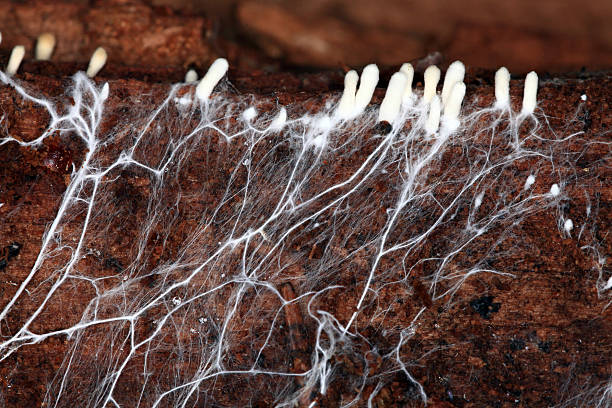
Like the mycelium that runs underground in search of nutrients and connections, Microzoomers would like to help foster connection, exchange, and growth within the magic mushroom community. Help us do our best to keep the conversation going and your interest fed, share your ideas and knowledge with us.
In the world of mycology it is often said that “mushrooms appear where mycologists go”, Microzoomers will always do their best to seek the last findings for you. We want to be your reliable source of information when it comes to psilocybian mushrooms. We are a passionate team, eager to discover and share.
Magic or not, what is so special about mushrooms? They can kill, they can heal, with their thousands of mating possibilities, mushrooms are the biggest living organism on earth.
It is said that tens of millions of years ago, giant Prototaxites fungi survived the asteroid and in sun-free times, helped feed vegetation back on its feet, doing nothing less than saving life on Earth. These unique problem-solving organisms, which don’t need light to thrive, which spread underground and overground, through soil, dead matter, air, water, on plants, animals and even humans, are a fundamental bridge between life and death and a precious source of collective intelligence.
Mycelium and circular economy: a sustainable alternative for polystyrene, textile, food, construction material. The mycelium revolution is upon us!
The filamentous roots of mushrooms, mycelium, has shown promising performance in various fields. Its fast-growing fibers produce materials used for packaging, clothing, food, and construction.
Its antimicrobial quality has shown to help prolong the lives of bees and combat beehive mite infestations; meanwhile it has also become a successful alternative to bacon, and a filter to free water of chemicals and pathogens. This natural insecticide also has the ability to feed on major pollutants such as bio-diesel and plastic waste, and has already started replacing packing foam and plastic. Also used in construction for sustainable wood alternatives or insulation materials, it is slowly entering the sustainable textile world as well.
With a much smaller environmental footprint, mycelium, the biggest living organism on earth, is the versatile biological technology our fragile ecosystem needed. With no doubt, fungal biodiversity is an ocean of possibilities for our future. Needless to say, the mycelium revolution is upon us!
Communing with plants or the sense of interconnectivity: a feeling reported by many psychonauts while on their psychedelic journey.
Apart from their essential roles in the decomposition of organic matter, nutrient cycling, and exchange in the environment, mushrooms live in a symbiotic relationship with trees. For a consumption of nothing less than 30 percent of the sugar that trees photosynthesize from sunlight, mushrooms will in exchange provide them with mycelium as a communication network through which trees can send chemical and slow-pulsing electrical signals to their neighbours.
By offering their thread-like roots as means of a “Wood Wide Web”, fungi nurture a cooperative, interdependent relationships with all plants, pushing the entire forest to act as a superorganism.
Needless to say, mushrooms inspire strength and connectedness. And as it is common for magic mushroom consumers to report being in a state of “connectiveness to the Universe”, it is probable that it is these very underground conversations between fungi and plants that nurture such a feeling.
So what makes trippy mushrooms psychoactive? Psilocin, psilocybin, baeocystin, norbaeocystin, and aeruginascin.
With an estimated 2.2 million to 3.8 million species, only approximately 148,000 of which are described, the true biodiversity of Kingdom Fungi is difficult to frame, if not unframeable. Out of all these strains, almost two hundred are known to produce the psychoactive alkaloids psilocybin and psilocin.
Side note, both compounds are psychoactive, but psilocybin becomes so neurotropic only after being processed by our livers into psilocin.
Further tryptamines, baeocystin, norbaeocystin and, the latest star on the block aeruginascin, are present to a lesser level and believed to be less active.
To this day, studies on these compounds and their one-of-a-kind entourage effect remain a subject of interest. It goes without saying, each mushroom’s “secret recipe” offers a unique experience that even chemists have trouble unraveling. For example, Inocybe aeruginascens, which is exceptionally high in the compound aeruginascin, is being investigated as it has the reputation of always fostering an euphoric experience devoid of dysphoric states. Scientists are wondering if the rare alkaloid aeruginascin could be the one responsible. Meanwhile companies have already started synthetizing this intriguing compound under various names such as Propharia.
Nature works in mysterious ways, and it is these very ways that intrigue us.
Psilocybin versus synthetized psilocybin.
Food for thoughts: is synthetized psilocybin as effective as natural psilocybin? Does psilocybin on its own work as well as the entire magic mushroom biomass entourage effect?
While many consumers report bad trips being the most memorable and challenging life changing experience of their lives, meanwhile scientists attempt to design the perfect compound, devoid of dysphoric experiences. Is the seek for “the always good trip” a good idea? Could bad trips carry their own therapeutical benefits? Many questions yet to be answered. Open to debate, curious to explore and share, here at Microzoomers, we like to start dialogues.
Mushrooms and humans, a strong bond throughout history: nutritive, medicinal and entheogenic.
The relationship between mushrooms and humans goes far back, they have always been considered for treating and promoting overall well-being. They are the “doctor from the woods”, or the “medicine from the ground”.
Even though they look nothing like us, mushrooms are genetically closer to animals than they are to plants.
Actually, billions of years ago, we both came from the same ancestor: Plantae, and until not long ago, fungi were even still considered a part of botany. We know today that they are not a primitive plant as botanists once thought, they are Kingdom Fungi, a kingdom of their own, an under-studied massive group of complex intelligent living organisms.
In traditional Asian medicine and Eastern European traditions, medicinal fungi (edible and non-psychoactive) have been used for centuries for their antiviral and immune-enhancing properties. They were always believed to support longevity and are to this day utilized in myco-medicine as a remedy to various infectious diseases and cancers.
While edible non-psychoactive species like Turkey Tail have shown to help cure breast cancer, Lion’s Mane and Reishi have the reputation to help combat viruses such as flu while others suggest Psilocybe eryngii has an antidepressant function.
At one point in history, mushrooms were even so highly regarded that it was forbidden for the common people to eat them. Their healing properties were reserved only for royal families. From mycophiles (passion for mushrooms) to mycophobes (fear of mushrooms), fungi, with their billion-year-old wisdom, cease to intrigue and fascinate. And even if they are under-explored, their potential as medicine has always been respected. Today, psilocybin is attracting interest and knowledge on the matter is growing.
How did we pass from medicinal use of mushrooms to getting high on magic mushrooms as medicine?
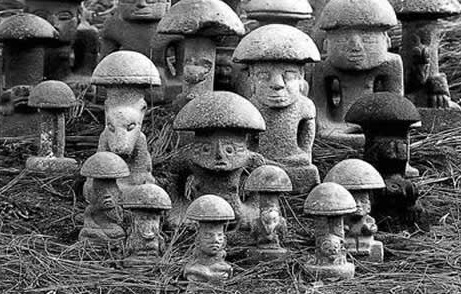
Well, when we think of ancient times, getting high is probably more common than we think. While animals seem to enjoy the numbing effects of psychoactive mushrooms, fungoid rock art dating thousands of years ago is found in prehistoric archeological sites in Spain and Algeria. The post-Paleolithic rock art in Spain depicts what is believed to be the neurotropic specie Psilocybe hispanica, 16th-century historians of the Spanish conquest of Mexico described Aztecs using sacred mushrooms during religious ceremonies. They speak of the sacred ceremonial mushroom under the name of Teonanacatl or “flesh of the Gods”.
Spanish monk Fray Bernardino de Sahagún writes: “The little mushroom that grow in this land are named teonanácatl. They grow beneath the hay in the fields and plains. They are round, and their stems are tall and round and slender. Their taste is unpleasant; they cause sore throat and drunkenness. They are used as medicine for fever and gout. No more than two or three should be eaten. Those who eat them see visions and feel fluttering of the heart; the visions they see are sometimes frightening and sometimes humorous. Those few who eat them in excess are driven to lust. Silly and naughty boys are told that they have eaten nanácatl”.
Following this encounter with the “altered state of consciousness” they liked to call “madness:, the Spanish conquistadores, attempted to eradicate the Cult of the Sacred Mushroom which they considered to be a communion with the Devil. They tortured and killed those who dared participate in the sacred ceremonies. Funny enough, through dung, air, water, or matter, it was most probably their boats that helped spores make it back to Spain.
Actually the most famous strain Psilocybe cubensis, even though it was first found and documented in Cuba, is believed be indigenous to Africa. Famous Mexican mycologist Gaston Guzman had started to look into it, now it is his daughter’s investigation.
Mexico and the cult of the Sacred Mushroom, Teonanacatl.
Mexico, the country with the most psilocybin-containing strains growing wildly, has many tribes that worshipped and consumed the entheogenic mushrooms.
It is believed by many that there was more than one “flesh of the God” Teonanacatl. John Allen’s amazing research on epithets suggested the following specimens as potential Teonanacatl candidates: P. semilanceata, P. mexicana, P. aztecorum, P. zapotecorum, P.mazatepec, P.cordispora, P. cubensis, P. subcubensis, Conocybe silligineoides, P. hoogshagenii, and P. caerulescens.
The most Holy of Them All, The Lord of Reason, The Sacred Mushroom of Vision: fungi.
The numerous endearing epithets the Indigenous people used to speak of them are a proof of their strong bond to the sacred medicinal organism. For example, particular epithets translate their mind-altering effects (sleepy head, inebriating flower, house of humor, the clown, teeth of thunder, the fruit of madness), while others are a reminder of their adoration (children of the waters, little birds, mushroom of the Saints, little ones that spring forward), along with the respect that bonds them to the holy mushrooms (our Masters, the most Holy of Lords, the Mushroom of Reason, Sacred Mushroom of Visions, the Judge).
Needless to say, their cult of the sacred mushrooms was a direct connection to the Gods and to their inner demons. These sacred ceremonies called veladas were considered a safe space for purging, and a healing path to oneness.
Psilocybin: why magic shrooms enhance focus, creativity and problem solving capabilities.
The use of psychoactive mushrooms – known variably as entheogenic, magic, medicinal, neurotropic, psychedelic, hallucinogenic, psychotronic, neurotronic, sacred, saint, holy – has for long been believed to open the mind, and free the nervous system of its ordinary patterns and structures.
How does psilocybin act on our metabolism? Psilocybin and psilocin, have the amazing particularity of being structurally similar to our very own neurotransmitter serotonin (5-HT). How exceptional right? A compound from our body looks like a compound found in a mushroom! After all, we did agree we share a common ancestor so why not.
The Default Mode Network, functional connectivity of the claustrum and neuroplasticity.
A Neuroscience study uncovered that psilocybin aka “the fungal serotonin” induces considerable changes in brain connectivity.
By reducing the blood flow to the part of our brain called the Default Mode Network, psilocybin encourages a rewiring that steps out of our older brain paths. The DMN is like our loopy automatic network, it carries our souvenirs, redundant thoughts, and patterns. By turning off the DMN, the neurons within our brain need to reorganize and coordinate, the communication between them spectacularly enhances as they are finding alternate ways. This nurtures a divergent thinking flow, encouraging creativity and nurturing focus.
Psilocybin also alters the functional connectivity of another part of our brain called the claustrum. As its Latin root suggest, this part of the brain is like a bolt, a bar,“shut” and cloistered. Nonetheless, psilocybin alters its connectivity with brain networks that support memory, attention and perception. Images of brain connectivity on psilocybin show a spread-out use of various parts of our head. Clearly, by exponentiating the use of our mind, we enhance problem-solving, creative thinking and focus abilities.
Images of neurological activity under psilocybin show that the brain activity under psilocybin resembles the brain under a state of meditation and that a single high dose (25mg/70kg) of psilocybin can alter emotion and brain function for up to one month after ingestion.
Psychedelic was a term formulated to express substances that have a mind-manifesting capability and reveal useful or beneficial properties of the mind. Derived from Greek roots that translate to “soul revealing” or “mind expanding”, science shows an undeniable phenomenon of neuroplasticity while results of the last 15 years of clinical studies of psychedelics are remarkably positive. Psilocybin, by rewiring our brains, helps break patterns and step out of our comfort zone. As William Blake said “the true method of knowledge is experiment”, and breaking patterns while stepping out of our comfort zone is a healing experience in itself.
Psychedelic voyages, a flexible state of the mind: a distortion of time, space and self. From hallucinations, to the ego dissolution, to the afterglow.
“Tripping”, a way to let go, to surrender, to face, to dissolve, to drain.
In 1965, psychologist, writer and psychedelic advocate Timothy Leary, commented that he had “learned more about … (his) brain and its possibilities … [and] more about psychology in the five hours after taking these mushrooms than … in the preceding 15 years of studying and doing research”.
He suggested the “Stoned Ape” theory which proposes that psilocybin mushrooms were the “evolutionary catalyst” that helped expand the primitive mind. By increasing courage (fearless hunting) and enhancing feelings of empathy (better leadership), he thinks psilocybin helped the primitive brain to rapidly re-organize and better itself. Leary was also a fervent believer in the benefits of psychedelics to help cope with death anxiety, he wrote a book on it “Design for Dying”.
Overall, he was adamant that the profound mystical and spiritual qualities of the psychedelic voyage could help permanently improve lives. He even experimented on reforming criminals and treating alcoholism through his dedicated “Concord Prison Experiment”.
As of today, studies have proven psilocybin to help ease anxiety on patients with terminal cancers. Pretty meaningful that fungi, the bridge between life and death, helps humans deal with their end-of-life distress.
Psilocybin-assisted psychotherapy: from psychedelic therapy to microdosing, to psilocybin service centers: how psilocybin benefits mental health.
Recent investigations have shown the promising powers of psilocybin-assisted psychotherapy to treat patients with various mental health disorders such as end-of-life anxiety, depression, smoking and alcohol addiction, anorexia, Obsessive Compulsive Disorder, and Post Traumatic Stress Disorder.
Psychedelic therapy and psilocybin-assisted therapy has existed underground in Oregon for the past decade. In November 2020, Oregon the first state to legalize psilocybin-therapy. In 2023, it is most probable “psilocybin service centers” will be distributing “therapeutical psilocybin” and offering psilocybin-assisted psychotherapy sessions to citizens.
The practice of microdosing for enhanced performance and wellbeing: a long and expensive study to organize versus a new citizen-science approach.
While consumers practicing microdosing report positive impact on day to day feeling of alertness, energy levels, quality of mood, focus and creative solving, it still remains a long path before clinical studies can assure proof of its benefits. Because the process of microdosing involves taking psychedelics over a longer period of time, placebo-controlled studies are difficult and expensive to organize.
In response to today ‘s restrictive drug policies for clinical studies involving psychedelics, Szigeti et al. developed a new citizen-science approach, where microdosers implement their own placebo control based on online instructions. This setting is low cost and allows to recruit participants from around the World. The largest placebo-controlled study on psychedelics to-date was completed by 191 microdosers.
With various studies happening out there we won’t be shy to repeat that many microdosers describe experiencing enhanced feelings of determination, alertness, and energy, witnessing an overall ameliorated focus, creativity, problem solving, mood and energy level.
Some strains that have the reputation of being more somaesthetic are said to, like CBD, help soften the burden of body pain, cluster headaches, sleep deprivation or menstrual cramps.
Overall, while antidepressant are addictive, have undesirable side-effects and a tendency to freeze emotions, psilocybin patients report “lasting improvements in well-being, long-term increase in personality traits of openness”, and an undeniable reconnection to their emotions and thus, their core being. But the best is that mushroom have an impressive safety track record with low signs of addiction or abusive misuse.
So if it is to help users improve their energy, mood, cognition, concentration, management of stress, creativity, spiritual awareness, productivity, language capabilities, relationships and visual capabilities, perhaps we can say, psilocybin is the jam.
Our mission is to let you know what we know and report what makes each psychedelic strains special.
Like that Panaeolus cyanescens aka the Hawaiian Blue Meanie, has been investigated as a possible therapeutic for anxiety, depression, and mood disorders, or that Inocybe corydalina is being studied to treat cluster headaches and migraines, or that Panaeolus subbalteus has aphrodisiac properties, or that P. Mexicana was the special candidate from which Albert Hofmann isolated psilocybin, or that P. cubensis is often seen as the smoothest teacher of them all, or that recurrent experiences have reported Inocybe Aeruginascens to give only good trip experiences and shown potential to help treat anxiety, or that the Wood-Loving fungi can give Wood Lover Paralysis, or that P. azurescens because it is so potent is considered a good candidate for microdosing, that strains like Psilocybe subaeruginascens, Psilocybe tampanensis or the Acadian Coast cubensis are said to be somaesthetic and help calm menstrual cramps, or that the Brazil Strain has the reputation of offering mind-bending feathery visuals, or that Psilocybe aztecorum enherited the endearing Spanish epithet “Dormilón” meaning “sleepy heads” making it a great candidate for relaxing sessions.
From our beginners guide to in depth scientifical facts, we are looking forward to building a solid reference when it comes to the magnificent, fascinating world of psychotronic fungi.
On his 100th birthday, Swiss chemist Albert Hofmann, famous for synthetizing LSD and isolating psilocybin, stated that psychedelics gave him “an inner joy, an open mindedness, a gratefulness, open eyes, and an internal sensitivity for the miracles of creation. He shared with the audience that it is just a tool to turn us into what we are supposed to be.”
The time for a second psychedelic revolution seems perfect, may the healing begin!